


The Event Security Importance: Protecting Your Business and People
- AJ Squared

- Jan 5
- 4 min read
When you plan an event, security is not just an option - it is a necessity. I have seen firsthand how the right security measures can make or break an event. Whether you are hosting a small corporate gathering or a large public expo, the stakes are high. You must protect your assets, your staff, and your guests. You must ensure smooth operations and peace of mind. This is why I emphasize the event security importance in every project I handle.
Security is not just about preventing theft or violence. It is about creating a safe environment where everyone can focus on the purpose of the event. It is about managing risks before they become problems. It is about being proactive, not reactive. Let me walk you through why event security is critical and how you can implement it effectively.
Understanding the Event Security Importance
Event security importance cannot be overstated. Every event has unique risks and challenges. You need to assess these risks carefully and tailor your security plan accordingly. For example, a trade show with expensive equipment requires different security than a networking mixer in a hotel ballroom. But the core principles remain the same:
Risk assessment: Identify potential threats and vulnerabilities.
Access control: Manage who enters and exits the venue.
Crowd management: Prevent overcrowding and ensure orderly movement.
Emergency response: Prepare for medical, fire, or security incidents.
Communication: Keep all staff informed and coordinated.
By focusing on these areas, you reduce the chance of incidents and improve the overall experience. I always recommend starting with a thorough risk assessment. Walk through the venue, consider the event type, and think about what could go wrong. Then, build your security plan around those insights.

Key Components of Effective Event Security
To deliver top-notch security, you need a multi-layered approach. No single measure is enough. You must combine technology, personnel, and procedures. Here are the key components I rely on:
Trained Security Personnel
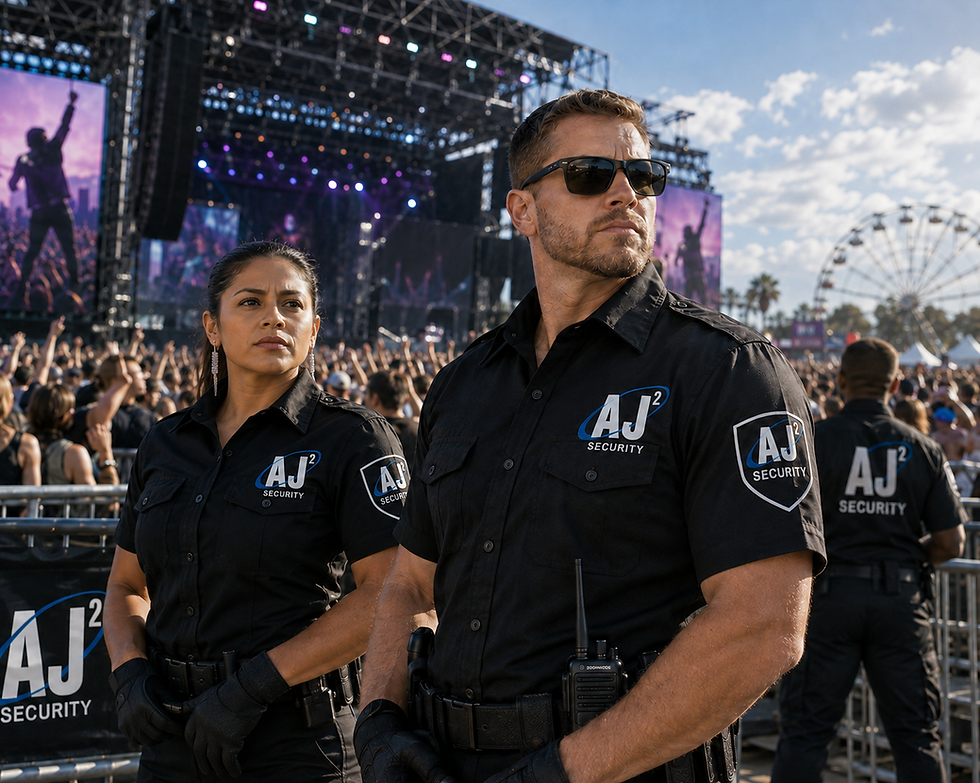
Skilled guards are your first line of defense. They monitor the crowd, check credentials, and respond to incidents. Choose professionals with experience in event security. They should be visible but not intrusive.
Surveillance Systems
Cameras and monitoring stations help you keep an eye on the entire venue. Use high-quality cameras with good coverage. Integrate them with real-time monitoring to catch issues early.
Access Control Systems
Use badges, wristbands, or electronic scanners to control entry points. This prevents unauthorized access and helps track attendance.
Emergency Plans and Drills
Prepare for emergencies with clear protocols. Train your team on evacuation routes, medical aid, and communication channels. Conduct drills to ensure readiness.
Communication Tools
Equip your team with radios or mobile apps for instant communication. Quick information sharing is vital during an incident.
Crowd Management Strategies
Use barriers, signage, and staff to guide attendees. Avoid bottlenecks and overcrowding. Plan for smooth entry and exit flows.
By combining these elements, you create a robust security framework. This framework not only protects but also reassures everyone involved.
How to Choose the Right Security Partner
Selecting the right security provider is crucial. You want a partner who understands your event’s unique needs and delivers reliable solutions. Here’s what I look for when choosing a security company:
Experience and Reputation
Look for a company with proven experience in your event type. Check references and reviews.
Customization
Avoid one-size-fits-all solutions. Your security plan should be tailored to your event’s size, location, and risk profile.
Technology Integration
The best providers use modern technology to enhance security. Ask about their surveillance, access control, and communication tools.
Training and Certification
Ensure their personnel are well-trained and certified. This guarantees professionalism and competence.
Responsiveness and Support
Choose a partner who is responsive and offers support before, during, and after the event.
I always recommend discussing your event goals and concerns openly with your security provider. This collaboration leads to better planning and execution.

Practical Tips to Enhance Your Event Security
You don’t have to be a security expert to improve your event safety. Here are some practical tips you can implement right away:
Start Early
Begin your security planning well in advance. Last-minute arrangements often lead to gaps.
Use Clear Signage
Mark exits, restricted areas, and emergency stations clearly. This helps attendees navigate safely.
Limit Entry Points
Fewer access points mean easier control. Use checkpoints to verify credentials.
Brief Your Staff
Everyone involved should know the security plan. Hold a pre-event briefing.
Monitor Social Media
Keep an eye on social media for any potential threats or issues related to your event.
Have Medical Support Ready
Ensure medical personnel and first aid kits are on-site.
Keep Communication Open
Maintain constant communication between security, event staff, and local authorities.
By following these tips, you create a safer environment and reduce stress for everyone.
Why Investing in Security Pays Off
Some may see security as an expense, but I see it as an investment. The cost of a security breach or incident can be devastating - financially and reputationally. Here’s why investing in security pays off:
Protects Your Assets
Prevent theft, vandalism, and damage to equipment or property.
Ensures Staff Safety
A secure environment keeps your team safe and productive.
Enhances Attendee Experience
People feel comfortable and valued when security is visible and effective.
Reduces Liability
Proper security measures minimize legal risks and insurance claims.
Supports Operational Efficiency
Smooth crowd flow and incident management keep your event on track.
Remember, the goal is not just to react to problems but to prevent them. Investing in professional event security solutions is the smartest way to safeguard your event’s success.
Taking Your Event Security to the Next Level
Security is an ongoing process. After your event, review what worked and what didn’t. Gather feedback from your team and attendees. Use this information to improve future plans.
Consider adopting new technologies like AI-powered surveillance or advanced access control systems. Stay updated on industry best practices and regulations.
Most importantly, build a culture of security awareness within your organization. When everyone understands the importance of safety, your events will be stronger and more resilient.
Security is not just a checklist item. It is a commitment to excellence. Let’s make every event safe, secure, and successful.
By prioritizing event security importance, you protect what matters most. You create an environment where business can thrive and people can connect with confidence. Take action today. Plan smart. Choose the right partners. Invest in security that delivers peace of mind. Your event deserves nothing less.


Comments